Follow Me On Social Media!

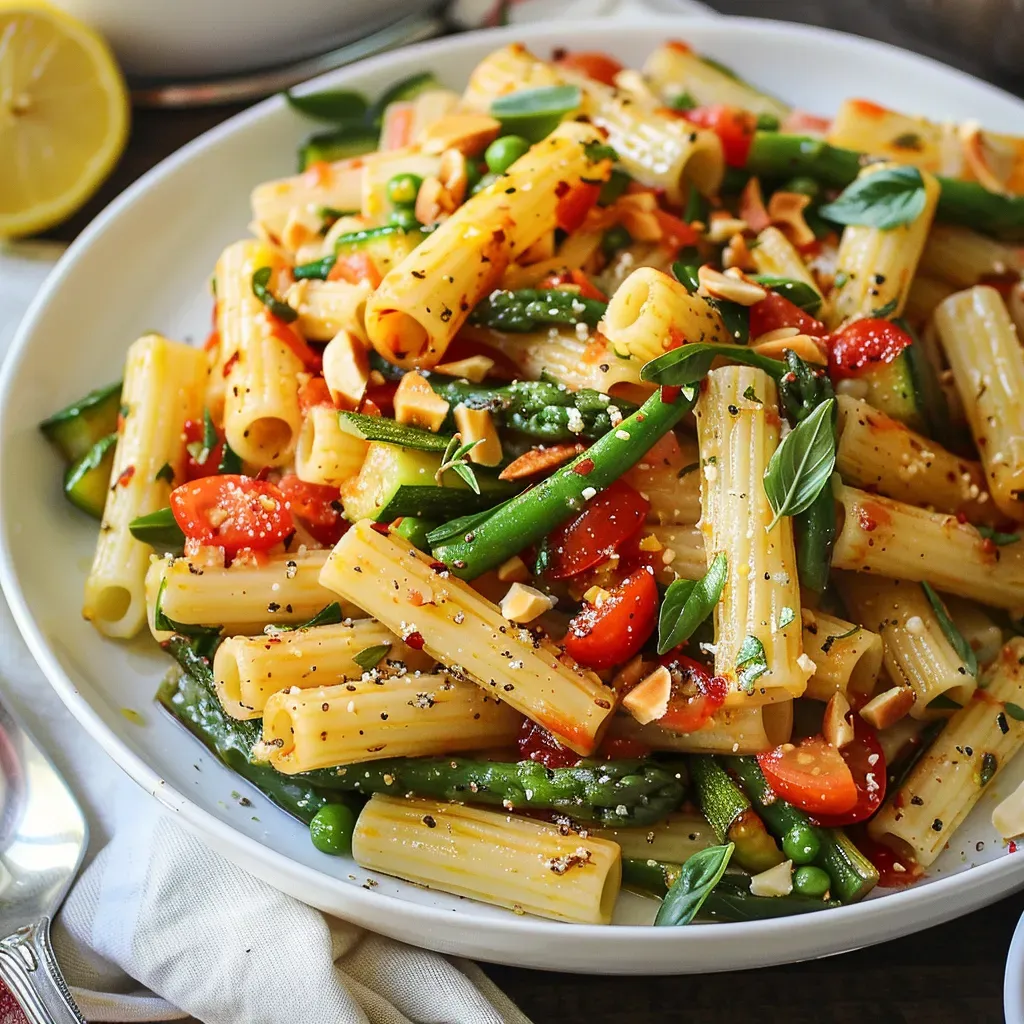
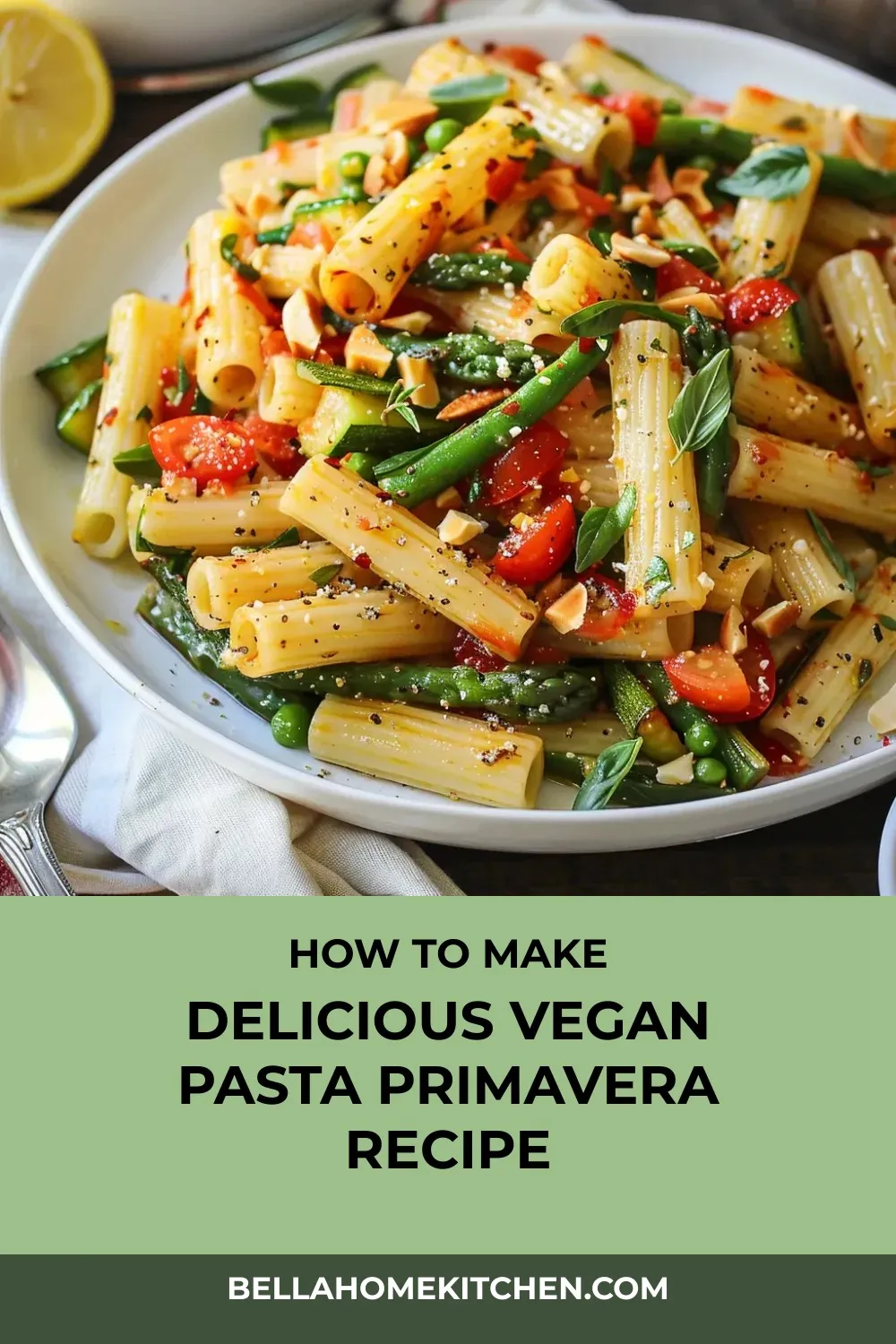
Welcome to a culinary celebration of vibrant flavors and seasonal produce with this delectable Vegan Pasta Primavera recipe. This plant-based twist on the classic Italian-American dish showcases a symphony of colorful vegetables dancing on a heavenly bed of rigatoni pasta. What sets this dish apart is the luscious, dairy-free lemon cream sauce that coats each vegetable and pasta piece, creating a harmonious blend of comfort and freshness.
In just 35 minutes, you can create a masterpiece that not only tantalizes your taste buds but also nourishes your body with the goodness of nutrient-packed veggies and creamy oat milk. The magic of this Vegan Pasta Primavera lies in its ability to transform simple ingredients into a culinary delight that is both luxurious and light. Whether you’re a seasoned vegan chef or just dipping your toes into plant-based cooking, this recipe is sure to impress with its vibrant medley of flavors and textures.
So, grab your freshest produce, your favorite pasta shape, and get ready to twirl your fork into a dish that proves vegan cuisine can be just as indulgent and satisfying as its traditional counterparts. Let this Vegan Pasta Primavera be your go-to recipe for a quick weeknight dinner or a show-stopping centerpiece at your next gathering. It’s a versatile, flavorful, and visually stunning dish that will have everyone coming back for seconds.
Quick Benefits
- Visually Stunning Dish: The vibrant medley of vegetables provides a perfect balance of colors, textures, and flavors in every bite.
- Creamy Dairy-Free Sauce: The luxurious lemon cream sauce brings everything together without dairy, proving plant-based dishes can be just as satisfying.
- Quick & Impressive: Ready in just 35 minutes, this dish is perfect for busy weeknights and entertaining, offering a perfect balance of comfort and freshness.
- Versatile & Adaptable: Leftovers make great packed lunches, hot or cold, offering both a delightful dinner and a practical meal option throughout the week.
Why You’ll Love This Delicious Vegan Pasta Primavera Recipe Recipe
- The vibrant medley of vegetables creates a visually stunning dish that provides a perfect balance of colors, textures, and flavors in every bite
- The creamy lemon sauce brings everything together without dairy, proving that plant-based pasta dishes can be just as luxurious and satisfying as traditional versions
- It comes together in just 35 minutes, making it perfect for busy weeknights while still being impressive enough for entertaining
- The variety of colors, textures, and flavors creates a deeply satisfying meal that’s not heavy, perfect for those looking for a comforting yet light dish
- The recipe offers adaptability – leftovers make great packed lunches and can be enjoyed hot or cold, serving multiple purposes throughout the week
- The dish celebrates the natural beauty of spring and summer produce while providing a creamy, satisfying pasta experience without dairy
- Perfect for skeptics of plant-based cooking, this recipe surprises with its complete and indulgent experience, showing that vegan cuisine can be nourishing and delicious
- The balance of tender-crisp vegetables, al dente pasta, and silky sauce showcases thoughtful preparation, elevating everyday ingredients into something extraordinary
Ingredients for Delicious Vegan Pasta Primavera Recipe
For the pasta
- 2 cups dry rigatoni pasta (or pasta of choice)
For the vegetables
- 1 tablespoon grapeseed oil (or as needed to coat pan)
- 1 cup snow peas
- 1 red bell pepper, chopped into 1-inch pieces
- ½ cup halved cherry tomatoes
- ½ cup frozen peas
- Salt and pepper to taste
- 1 medium zucchini, chopped into 1-inch pieces
- 1 cup chopped asparagus, cut into 1-inch pieces
For the sauce
- 1 tablespoon grapeseed oil (or as needed to coat pan)
- 2 tablespoons lemon juice
- 1 medium shallot, diced
- ½ cup plain unsweetened oat milk (preferably full-fat extra creamy)
- 1 tablespoon grated lemon peel (optional)
- 2 tablespoons nutritional yeast or vegan parmesan cheese (optional)
- 4 cloves garlic, minced or grated
- 1 cup vegetable broth
For garnish (optional)
- Fresh basil and parsley leaves
- Chopped walnuts
- Nutritional yeast or vegan parmesan cheese
- Lemon (grated lemon peel, lemon juice, and lemon slices)
- Crushed red pepper flakes
Pro Tips for Delicious Vegan Pasta Primavera Recipe
To achieve the perfect texture and flavor in your Vegan Pasta Primavera, make sure to cook the vegetables just until tender-crisp. This will preserve their vibrant colors, nutrients, and individual textures, enhancing the overall dish’s appeal. Additionally, consider adding components in stages based on cooking time to ensure each vegetable is cooked to perfection without any being overdone.
When preparing the creamy lemon sauce for your pasta, remember that it will continue to thicken as it stands. To prevent it from becoming too thick, aim to keep the sauce slightly thinner than your desired final consistency. This will result in a silky, smooth finish that coats the pasta and vegetables just right. Also, don’t skip the lemon zest as it adds essential oils that provide intense citrus flavor without the acidity of the juice, enhancing the overall taste of the dish.
How to Make Delicious Vegan Pasta Primavera Recipe
Step 1: Step 01
Boil salted water in a 6-quart pot. Cook pasta for approximately 12 minutes until al dente. Drain and set aside for later.
Step 2: Step 02
While the pasta is cooking, heat grapeseed oil in a 12-inch skillet over medium heat. Add asparagus, red bell pepper, zucchini, snow peas, frozen peas, and cherry tomatoes to the skillet. Cover and cook for about 7 minutes until vegetables are tender but still vibrant. Season with salt and pepper.
Step 3: Step 03
Transfer the cooked vegetables to a separate bowl or plate and set aside. Use the same skillet to make the sauce to capture the vegetable flavors.
Step 4: Step 04
Heat the empty skillet over medium heat, then add another tablespoon of grapeseed oil. Cook diced shallot for 3 minutes until translucent and fragrant. Add minced garlic and grated lemon peel (if using) and cook for an additional minute without browning the garlic.
Step 5: Step 05
Add vegetable broth to the skillet with aromatics and simmer uncovered for about 8 minutes until reduced by half to intensify flavors and form the base for the sauce.
Step 6: Step 06
Combine oat milk, lemon juice, and nutritional yeast or vegan parmesan (if using) with the reduced broth. Cook and stir occasionally until the sauce is hot, smooth, and has a light creamy consistency.
Step 7: Step 07
Combine the cooked pasta and reserved vegetables with the sauce in the skillet. Toss gently until everything is coated and heated through.
Step 8: Step 08
Transfer the pasta primavera to a serving dish or individual plates. Drizzle any remaining sauce from the skillet over the top and garnish with fresh herbs, red pepper flakes, nutritional yeast or vegan parmesan, walnuts, and lemon accents.
📌 Pin for later!
Storage Tips
Once you have enjoyed your Vegan Pasta Primavera, storing any leftovers properly will help maintain its flavors and textures. Transfer any remaining pasta to an airtight container and refrigerate it promptly. It is best to consume the leftovers within 3-4 days to ensure optimal taste and freshness. When reheating, you can add a splash of vegetable broth or oat milk to revive the creaminess of the sauce if it has thickened in the fridge.
For longer storage, consider freezing portions of the Vegan Pasta Primavera. Place cooled pasta in a freezer-safe container or resealable bag, ensuring to remove any excess air before sealing. Frozen pasta can last for up to 2-3 months. To reheat from frozen, thaw the pasta overnight in the refrigerator and gently warm it in a pan on the stovetop, adding a little extra liquid as needed to maintain the desired consistency. By properly storing your Vegan Pasta Primavera, you can enjoy this flavorful dish beyond its initial serving, whether for a quick weekday meal or a convenient make-ahead option for busy days.
Ingredient Substitutions
For the Vegan Pasta Primavera, you can easily customize the vegetable selection based on what’s in season or your personal preferences. For example, you can swap out the asparagus, zucchini, and snow peas with other seasonal vegetables like broccoli, cauliflower, or green beans. Feel free to get creative and use what you have on hand to make this dish your own while still celebrating the freshness of the produce.
If you don’t have oat milk on hand, you can substitute it with another unsweetened plant-based milk like almond milk or soy milk. Just make sure to choose a full-fat, creamy variety to maintain the richness of the sauce. Additionally, if you prefer a nuttier flavor, you can try using cashew cream or coconut cream for a different twist on the creamy sauce. Experiment with different plant-based milk options to find your preferred taste and texture for this delicious pasta dish.
Serving Suggestions
For a creative serving suggestion, consider presenting this Vegan Pasta Primavera in individual baked mini-pumpkins or hollowed-out bell peppers. This unique presentation adds a touch of elegance to the dish and makes for a visually stunning and Instagram-worthy meal. Simply fill each pumpkin or pepper with the pasta primavera, bake until tender, and garnish with fresh herbs and a sprinkle of nutritional yeast before serving.
Another creative way to serve this Vegan Pasta Primavera is to layer it lasagna-style with sheets of roasted eggplant or zucchini. The layers of creamy pasta and vibrant vegetables sandwiched between tender roasted veggies create a beautiful and flavorful dish that’s sure to impress your guests. Top the layered pasta with a sprinkle of vegan parmesan cheese and fresh basil leaves for a finishing touch that adds both flavor and visual appeal.
FAQs for Delicious Vegan Pasta Primavera Recipe
Can I use a different type of pasta in this recipe?
Absolutely! While rigatoni works well for catching the sauce, you can use any pasta shape you prefer. Consider options like penne, fusilli, or even spaghetti for a different texture experience.
Is it necessary to use oat milk, or can I substitute it with another plant-based milk?
You can substitute oat milk with other unsweetened plant-based milks like almond, soy, or cashew milk. However, oat milk is preferred for its creamy texture and neutral flavor that complements the sauce without overpowering it.
What can I use as a substitute for nutritional yeast or vegan parmesan cheese?
If you don’t have nutritional yeast or vegan parmesan cheese, you can omit this ingredient altogether. The sauce will still be flavorful from the vegetable broth, lemon juice, and other seasonings in the recipe.
How do I prevent the vegetables from becoming too soft when cooking them?
To maintain the vibrant colors and textures of the vegetables, cook them just until they are tender-crisp. Be mindful of the cooking times for each vegetable and add them to the pan in stages based on their density, starting with the ones that need more cooking time.
Conclusion
I hope this Vegan Pasta Primavera recipe inspires you to embrace the vibrant colors and flavors of fresh produce in a nourishing and satisfying meal. By celebrating the natural beauty of seasonal vegetables in a creamy, plant-based sauce, you can create a dish that’s both comforting and wholesome. Remember to savor each forkful of this rainbow-colored pasta, appreciating the textures and tastes that make it so special.
Whether you’re new to vegan cooking or a seasoned plant-based enthusiast, this Vegan Pasta Primavera is sure to become a favorite in your recipe collection. Its versatility, quick preparation time, and crowd-pleasing flavor profile make it a go-to option for busy weeknights or special gatherings. So, gather your ingredients, chop those veggies, and get ready to delight your taste buds with this creamy, dreamy Vegan Pasta Primavera that will surely elevate your dining experience!
📌 Pin for later!
Delicious Vegan Pasta Primavera Recipe
“Vibrant Vegan Pasta Primavera: Creamy, plant-based delight bursting with colorful veggies and a tangy lemon sauce, ready in just 35 minutes!”
Prep Time10 Minutes
Cook Time25 Minutes
Total Time35 Minutes
CuisineItalian-American
Skill LevelIntermediate
Servings2 Servings
Ingredients
For the pasta
- 2 cups dry rigatoni pasta (or pasta of choice)
For the vegetables
- 1 tablespoon grapeseed oil (or as needed to coat pan)
- 1 cup snow peas
- 1 red bell pepper, chopped into 1-inch pieces
- ½ cup halved cherry tomatoes
- ½ cup frozen peas
- Salt and pepper to taste
- 1 medium zucchini, chopped into 1-inch pieces
- 1 cup chopped asparagus, cut into 1-inch pieces
For the sauce
- 1 tablespoon grapeseed oil (or as needed to coat pan)
- 2 tablespoons lemon juice
- 1 medium shallot, diced
- ½ cup plain unsweetened oat milk (preferably full-fat extra creamy)
- 1 tablespoon grated lemon peel (optional)
- 2 tablespoons nutritional yeast or vegan parmesan cheese (optional)
- 4 cloves garlic, minced or grated
- 1 cup vegetable broth
For garnish (optional)
- Fresh basil and parsley leaves
- Chopped walnuts
- Nutritional yeast or vegan parmesan cheese
- Lemon (grated lemon peel, lemon juice, and lemon slices)
- Crushed red pepper flakes
Instructions
-
Step 01: Boil salted water in a 6-quart pot. Cook pasta for approximately 12 minutes until al dente. Drain and set aside for later.
-
Step 02: While the pasta is cooking, heat grapeseed oil in a 12-inch skillet over medium heat. Add asparagus, red bell pepper, zucchini, snow peas, frozen peas, and cherry tomatoes to the skillet. Cover and cook for about 7 minutes until vegetables are tender but still vibrant. Season with salt and pepper.
-
Step 03: Transfer the cooked vegetables to a separate bowl or plate and set aside. Use the same skillet to make the sauce to capture the vegetable flavors.
-
Step 04: Heat the empty skillet over medium heat, then add another tablespoon of grapeseed oil. Cook diced shallot for 3 minutes until translucent and fragrant. Add minced garlic and grated lemon peel (if using) and cook for an additional minute without browning the garlic.
-
Step 05: Add vegetable broth to the skillet with aromatics and simmer uncovered for about 8 minutes until reduced by half to intensify flavors and form the base for the sauce.
-
Step 06: Combine oat milk, lemon juice, and nutritional yeast or vegan parmesan (if using) with the reduced broth. Cook and stir occasionally until the sauce is hot, smooth, and has a light creamy consistency.
-
Step 07: Combine the cooked pasta and reserved vegetables with the sauce in the skillet. Toss gently until everything is coated and heated through.
-
Step 08: Transfer the pasta primavera to a serving dish or individual plates. Drizzle any remaining sauce from the skillet over the top and garnish with fresh herbs, red pepper flakes, nutritional yeast or vegan parmesan, walnuts, and lemon accents.